

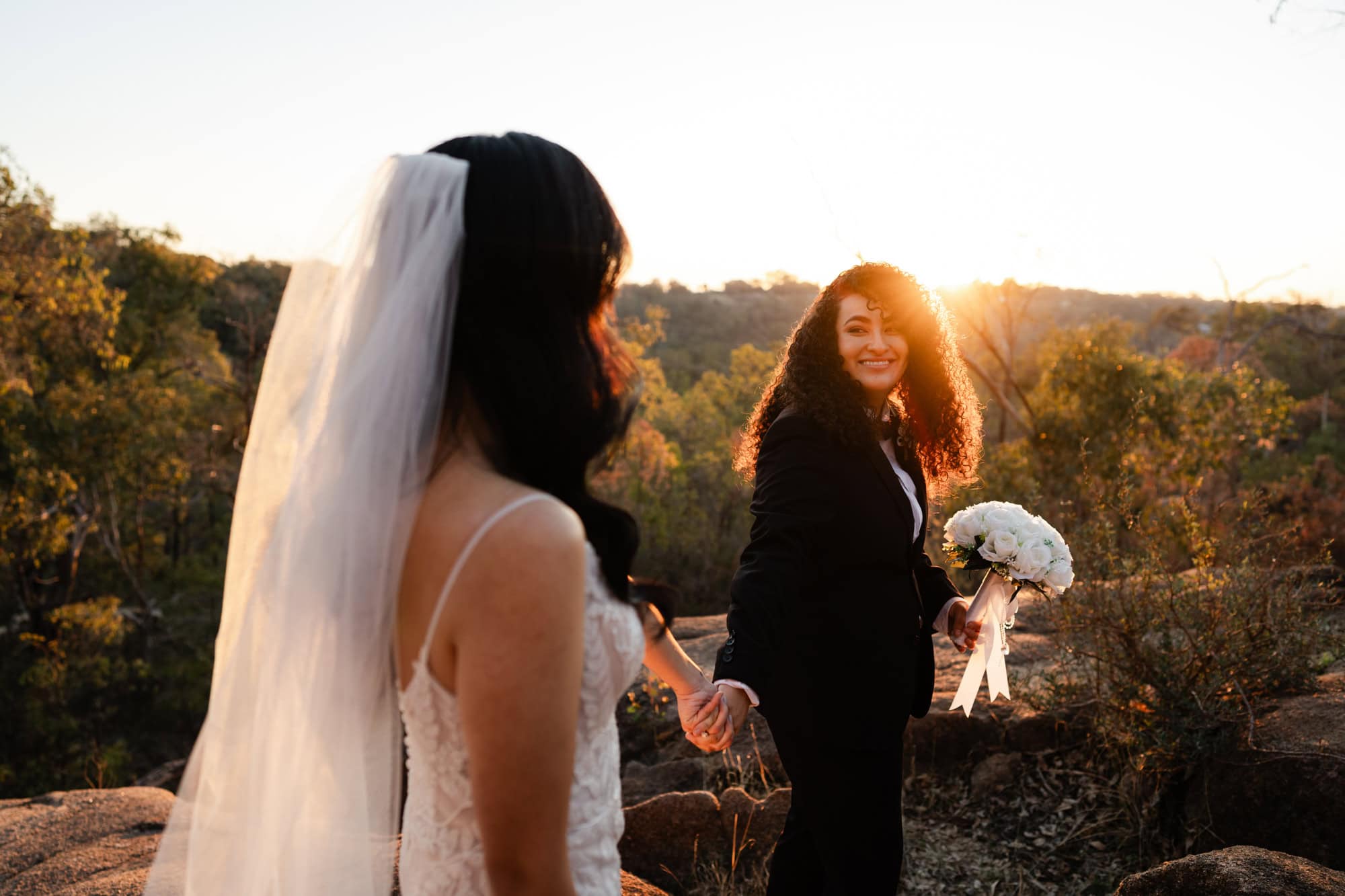
When searching for LGBTQIA+ Photographers for community-based storytelling, the focus should be on “cultural safety” and the ability to de-colonize the lens. Authentic representation occurs when the photographer shares a lived experience with the community, moving away from “observing” to “participating” in the narrative.
What to look for in specialized LGBTQIA+ Photographers:
Intersectionality: They understand that identity isn’t singular. For example, photographers working with First Nations Sistergirls, Brotherboys, and IndigiQueer people prioritize the overlap of gender, sexuality, and cultural heritage.
Reciprocity: A trusted photographer ensures the storytelling process is a two-way street. The community should own their stories, and the visual outputs should serve as a tool for their own advocacy and healing.
Consciousness-Shifting: Beyond just taking a “good photo,” many LGBTQIA+ photographers use their work to challenge colonial standards of beauty and identity, creating a “safe and welcome” space for those who have historically been made to feel unwelcome.